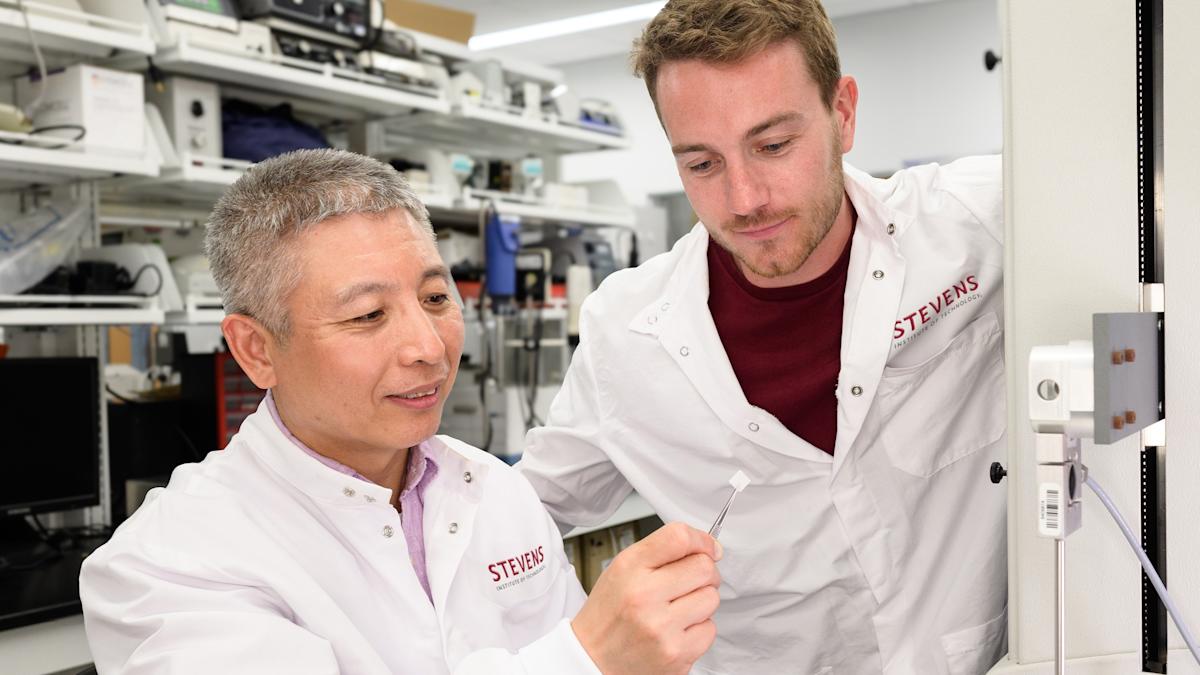
A researcher and a student looking through a device in a lab.

Department of Biomedical Engineering Research

At Stevens, research in biomedical engineering blends hands-on learning with meaningful discovery. Students work closely with faculty on projects that explore how engineering can help solve real problems in medicine and human health.

Our research covers a range of areas, including tissue engineering, medical imaging, biomechanics, neuroengineering, and rehabilitation. Whether you're studying how tissues respond to stress, building new diagnostic tools, or analyzing movement to improve recovery after injury, you'll find opportunities to dig into challenging questions with the support of experienced mentors.

With access to modern lab spaces and a collaborative environment, students don’t just observe research—they take part in it. It's a chance to build skills, ask questions, and contribute to work that has real impact.

Graduate Studies: Flexible, Supported, Connected

Get hands-on with biomedical innovation at Stevens. Our graduate programs focus on design, emerging tech, and healthcare solutions—preparing you for careers in biotech, pharma, medical devices, and research. Located near NYC, you’ll tap into a strong alumni network and job market, with flexible options like a certificate in bioengineering for added career mobility or specialization.
Biomedical Engineering Graduate Studies
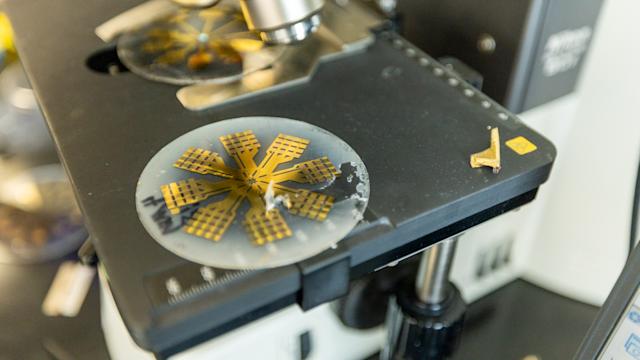
Plates made for a microscope in a biomedical engineering lab at Stevens Institute of Technology.

Leading What's Next

Discover three standout stories that offer a glimpse into the groundbreaking work happening in biomedical engineering at Stevens.

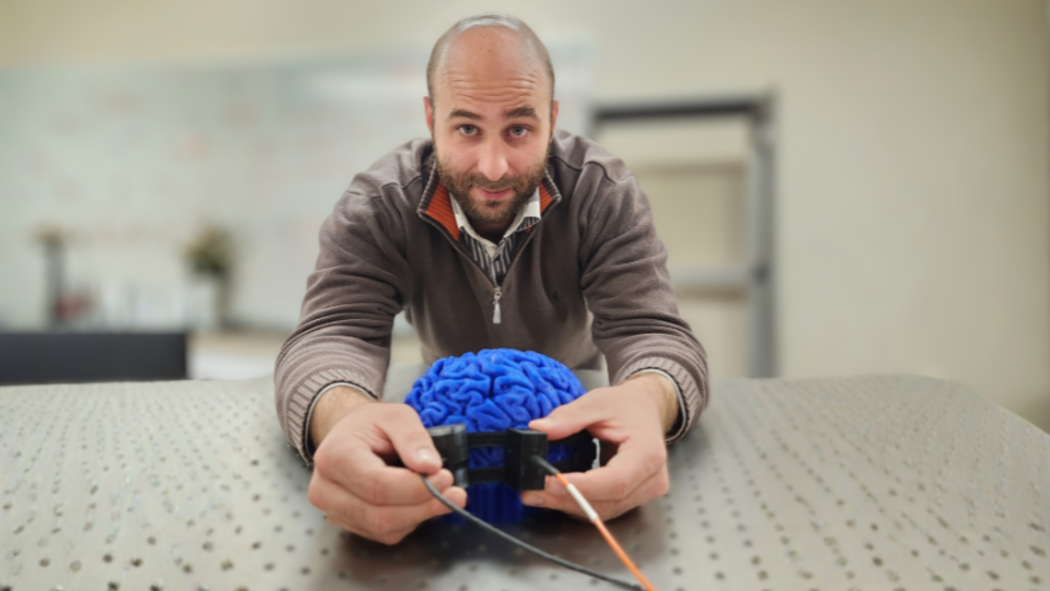
Simon Mahler holding the SCOS laser device on a 3D printed brain.

Seeing Stroke Risk in a New Light: Wearable Laser Tech to Read the Brain

Simon Mahler is turning laser light into a powerful window on brain health. His wearable imaging technology could help detect stroke risk, monitor brain injuries and transform how clinicians assess cerebrovascular health—without invasive procedures or expensive scans.

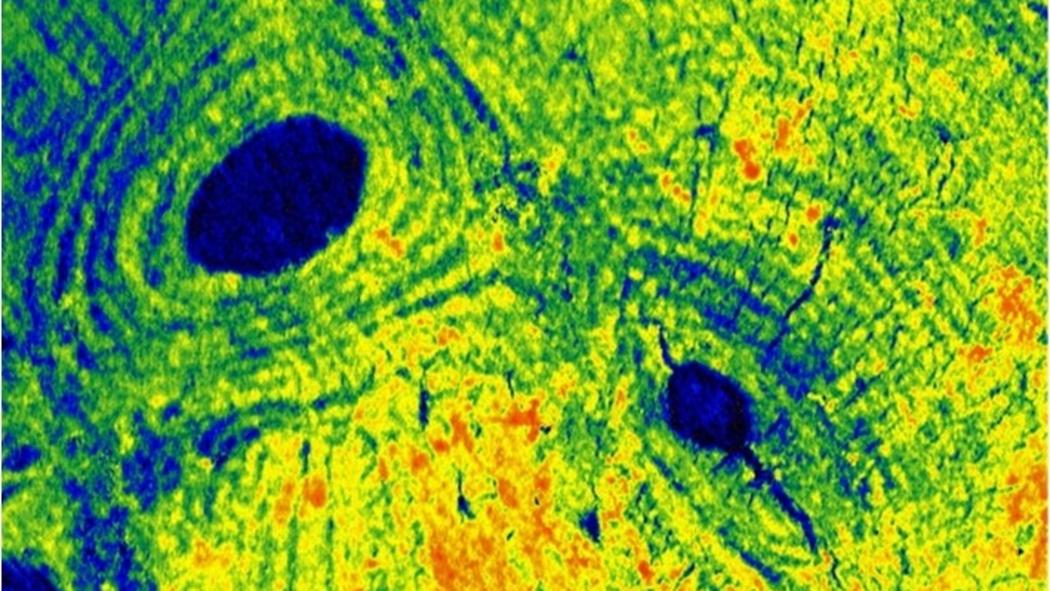
A green, yellow, and orange microscopy image with two blue circles and "ripples" emanating from them.

Mapping the Molecular Foundations of Bone and Tooth Health

William Querido is uncovering the molecular secrets of bones and teeth, using advanced imaging techniques to reveal how tissue quality influences health. His research could lead to better diagnostics and treatments for osteoporosis, dental disease and beyond.

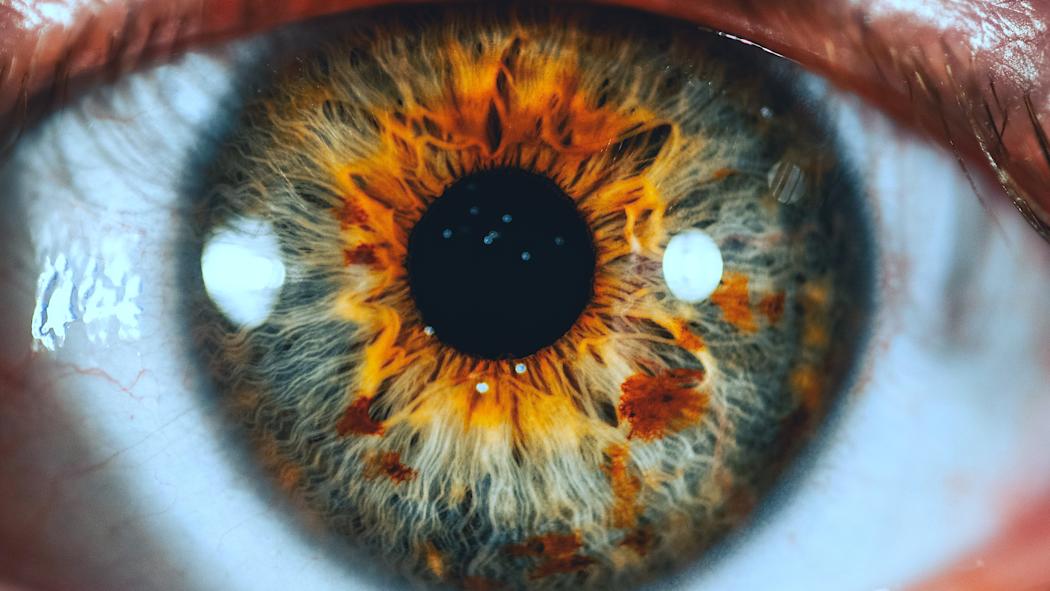
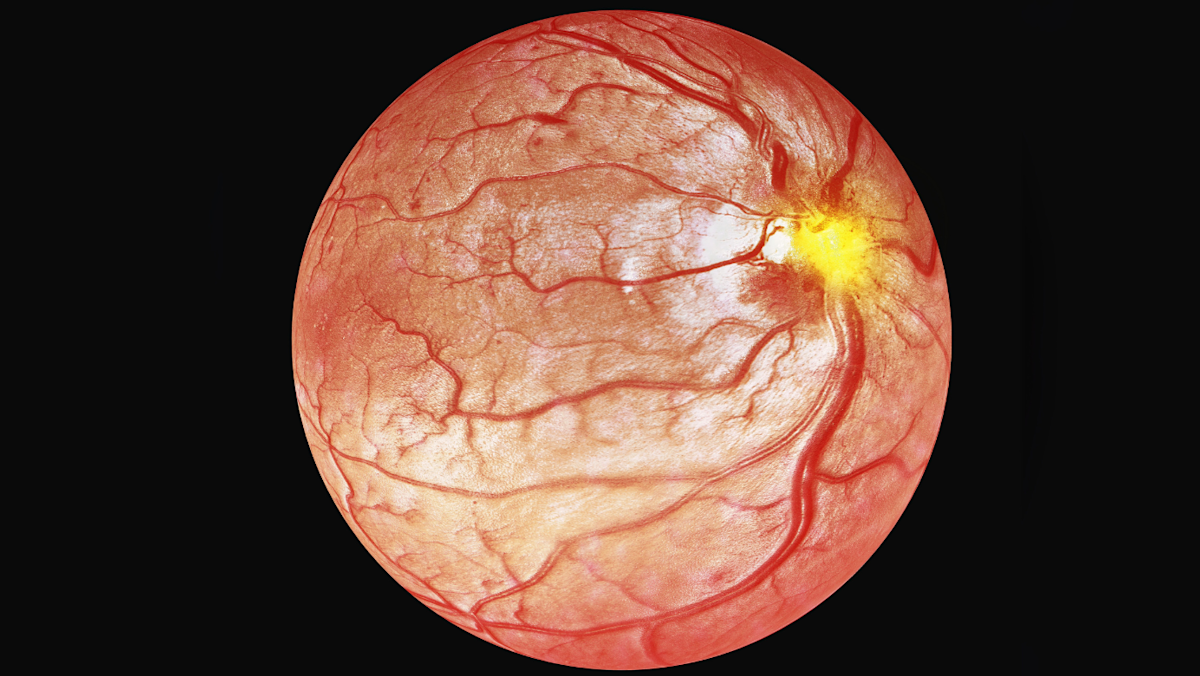
Closeup of a human eye

A Promising New Treatment for Age-Related Macular Degeneration

Stevens professor Jennifer Kang-Mieler works with universities of California-Davis, Illinois, Wisconsin and others to engineer and test a novel microsphere-hydrogel delivery for medicine, requiring fewer injections, to treat a common vision complication of aging.


Research Areas

Stevens researchers explore the frontiers of biomedical engineering across core areas like biomechanics, imaging, neuroengineering and more. Through collaborative labs and faculty expertise, we’re advancing healthcare solutions that impact lives.

Click the names of faculty below each area to learn more about their research experience and expertise.

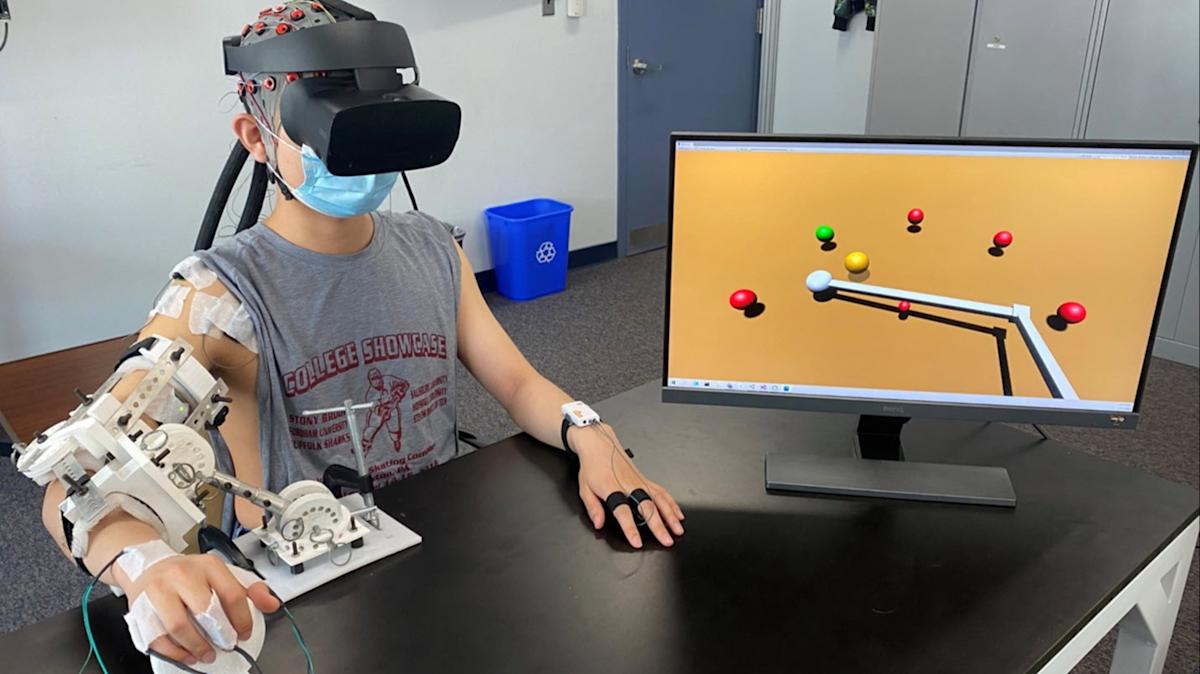
A patient is wired to biomechanical machinery with virtual reality glasses alongside a monitor.Biomechanics

Use mechanical analysis to interpret and influence biological behavior from the cellular scale to the level of whole-body motion. The following faculty perform research in biomechanics:


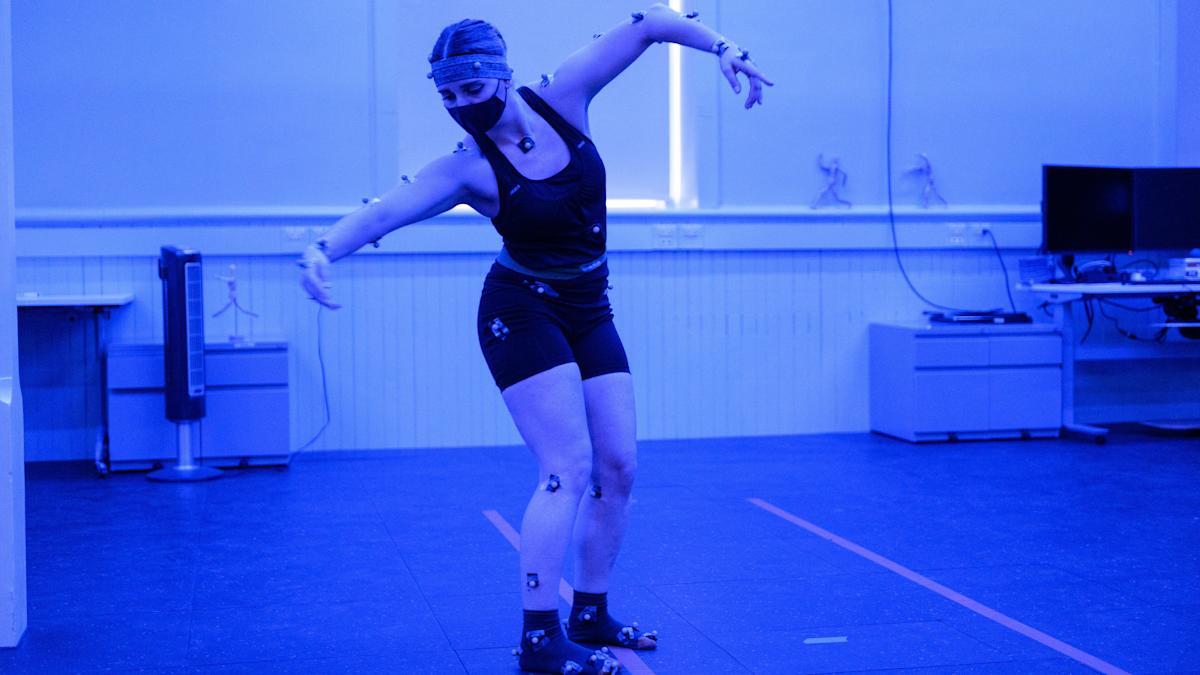
A dancer is wired with motion capture sensors while posing under blue light.Control Systems

Use control system theory to improve rehabilitation for individuals with movement disabilities due to spinal cord injury and other causes. The following faculty perform research in control systems:


Perlman Lab ImageEngineering Physiology

Apply engineering principles to increase physiologic understanding of and develop new therapies for the reproductive, pulmonary and central nervous systems. The following faculty perform research in engineering physiology:


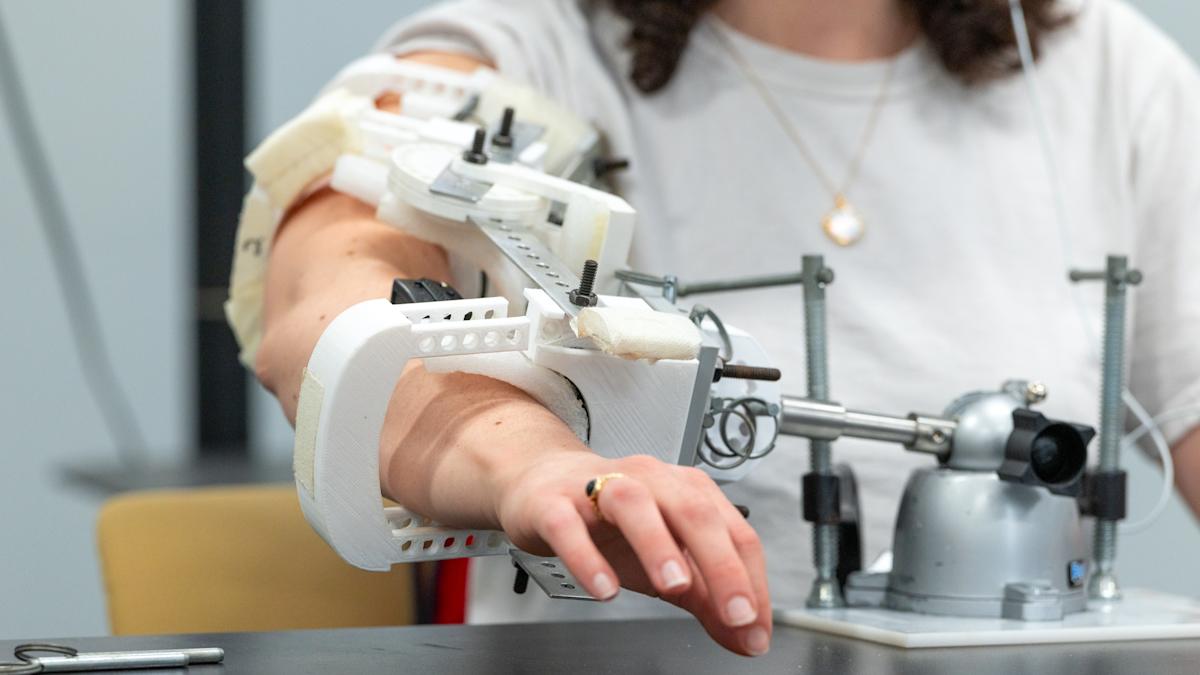
A test subject wearing a wired plastic and metal engineering sleeve on the arm.Neuroengineering

Apply engineering principles to develop new therapies for neurodegenerative diseases. The following faculty perform research in neuroengineering:


Hongjun Wang and Christian Buckley in a Stevens lab.Tissue Engineering

Develop 3D cultured tissue constructs for testing new drugs and replacing injured tissue. The following faculty perform research in tissue engineering:


Research Video Library

Learn more about research in the Department of Biomedical Engineering. Visit our YouTube channel playlist.

Semcer lab

Research at the Leading Edge

The Department of Biomedical Engineering is home to the Semcer Center for Healthcare Innovation, a state-of-the-art tissue engineering lab and hub for interdisciplinary biomedical research. Serving as a launchpad for groundbreaking biomedical research, the Center for Healthcare Innovation is located in the state-of-the-art Semcer Lab, which features a 3,000 square foot space with a 3D tissue culture lab, a dedicated room for DNA amplification and a chemical cove.