Q: What are your strongest memories of your time spent at Stevens?
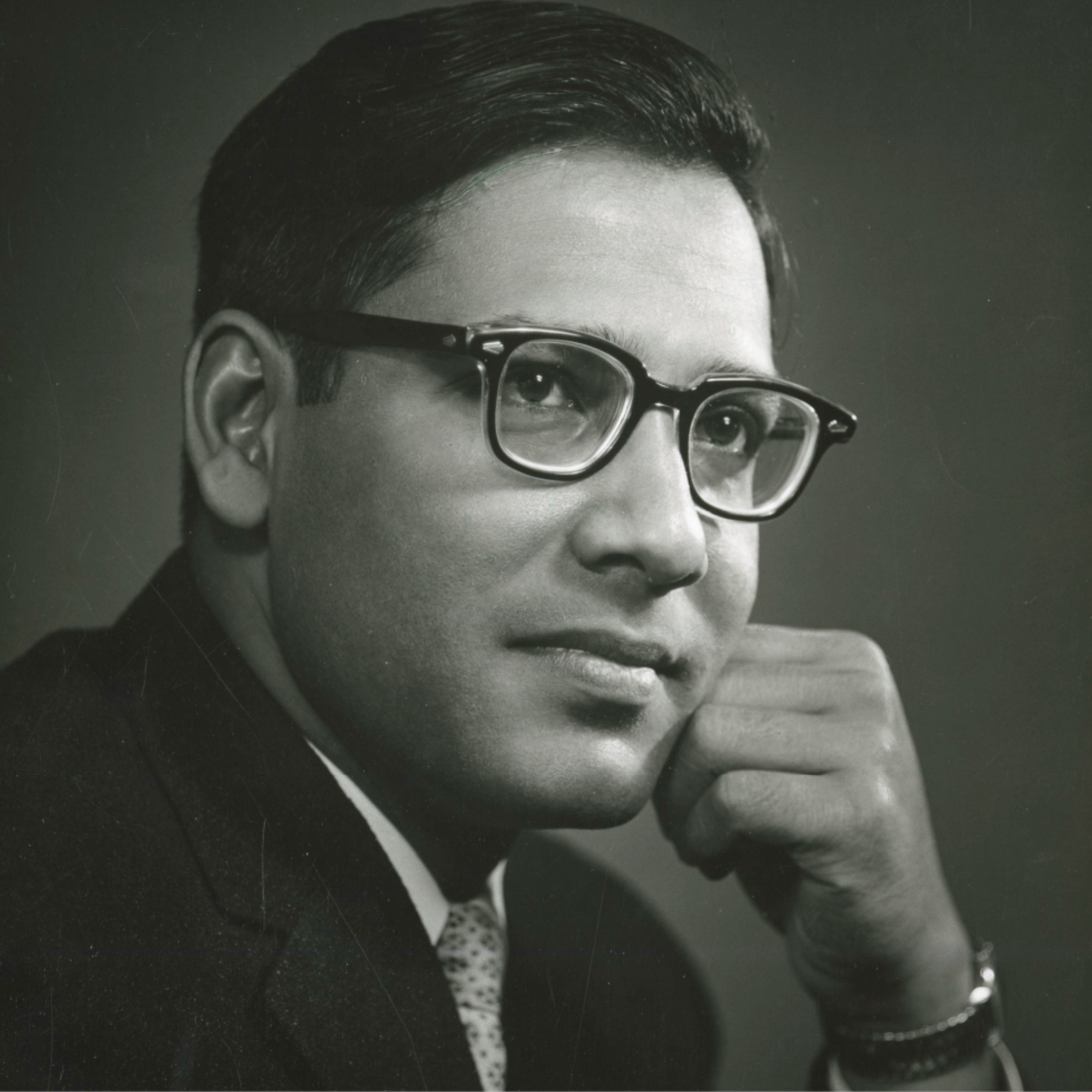
Dr. Pramanik: My strongest memory that I have during my graduate studies at Stevens was the news I received from a Stevens security guard in April 1971 that my family (wife, daughter, son and other family members) safely crossed the border into India and took shelter at a refugee camp. My graduate studies occurred at a difficulty time, while a war was raging in East Pakistan, and I did not have any contact with my family for about eight months (Sept. 1970-April 1971). The Stevens administration was aware of my situation. When a telegram came to Stevens from my brother in India with this news, the President’s office sent a security guard to deliver the message to me, while I was working at an Indian restaurant in New York City. I was overwhelmed with joy and happiness. The second most important memory was the successful defense of my dissertation in 1977 and receiving my Ph.D. degree.
Q: What was the focus of your graduate/undergraduate research at Stevens?
Dr. Pramanik: The title of my Ph.D. thesis was : “Some Stereospecific Steroid Transformations”. This work was published in Tetrahedron Letters, 1977, No. 23, pp. 1977-1980 and was dedicated to Professor R.B. Woodward on the happy occasion of his sixtieth birthday. Professor Woodward wrote an excellent letter praising the high quality of the work and highlighting its vital potential applications in the synthesis of amino steroids.
Also, included in the thesis was the work in mass spectrometry focusing on the development of novel methods to the analysis of multifunctional non-volatile organic molecules. An important highlight was the use of ammonium salts for the enhancement of molecular ions of the compounds. This work was published in Analytical Biochemistry in 1978. My association with Dr. Bose continued even after I left Stevens and our decades-long research collaboration resulted in 14 papers, some of which were cited nearly 300 times.
Q: Who were the faculty members or mentors who had the greatest influence on your career?
Dr. Pramanik: Faculty members who had the greatest influence on me were Professor Ajay K. Bose (mentor/advisor), Professor Maghar. S. Manhas, Professor Ashit K. Ganguly, Professor Ernest Robb, Professor Angelo A. Volpe, Professor Arthur Ritter, Professor Francis Clough, Professor J. M. van der Veen and Professor Frank Jones.
Q: Can you still remember where your laboratory or office was?
Dr. Pramanik: My lab was on the 3rd floor in the McLean Building, I shared two laboratories and supervised undergraduate research students as well UPTAM projects.
Q: Is there a favorite spot in the department or on campus that you still remember?
Dr. Pramanik: In front of McLean Building, there was a small sitting area where we used to gather for discussion with colleagues and friends including Sugi Sun, Fuji Sun, Shantu Amin and Bishambar Dayal. Some highly talented undergraduates used to join among them John Vincent, Charles Gluchowski, Robert Glagier, George Trainer, Albert Schwartz, Michael McGuire and James Labdon. Some of these students conducted research under UPTAM programs and went onto became medical doctors or some continued on to graduate programs including attending Harvard University after graduation.
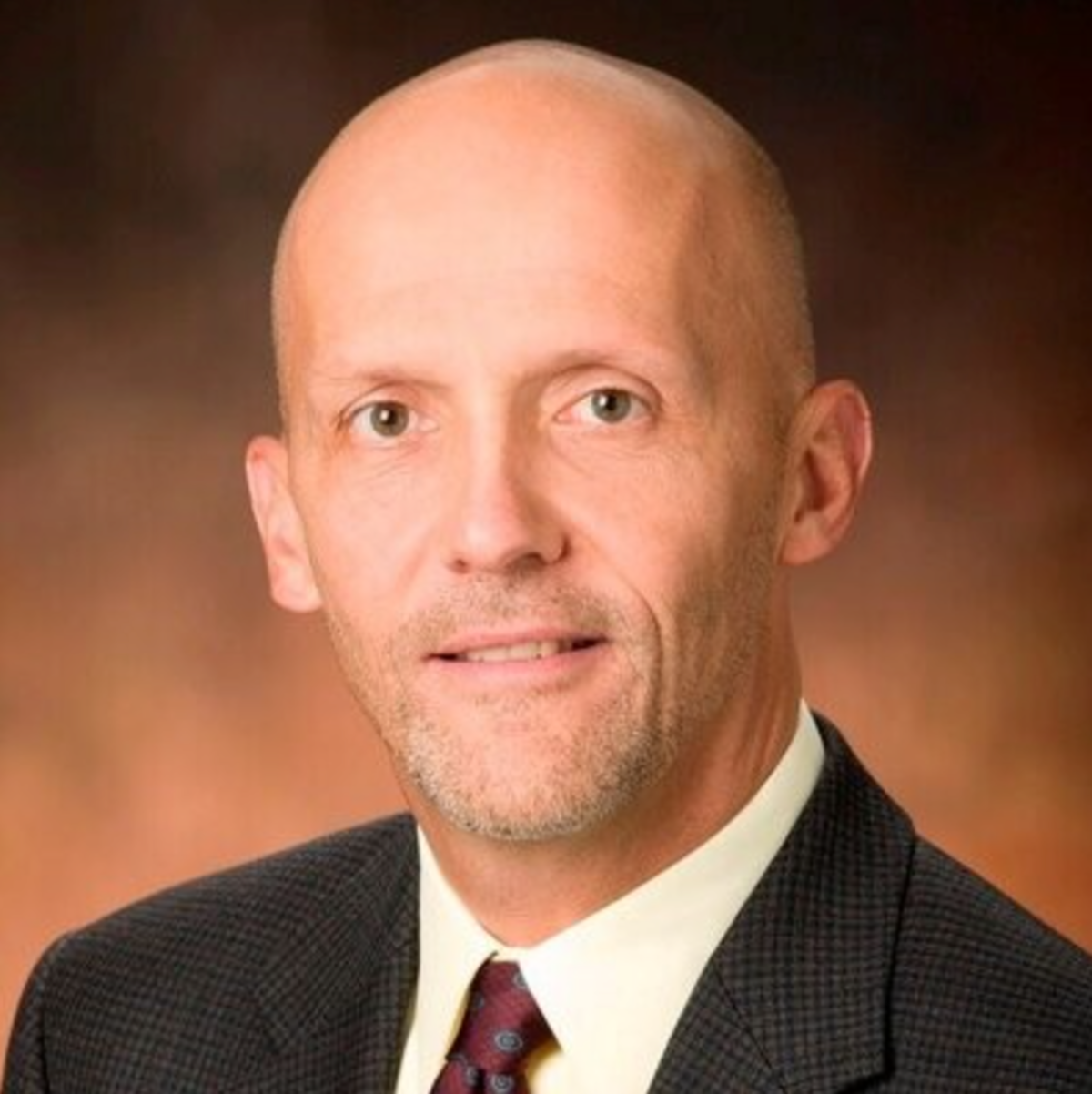
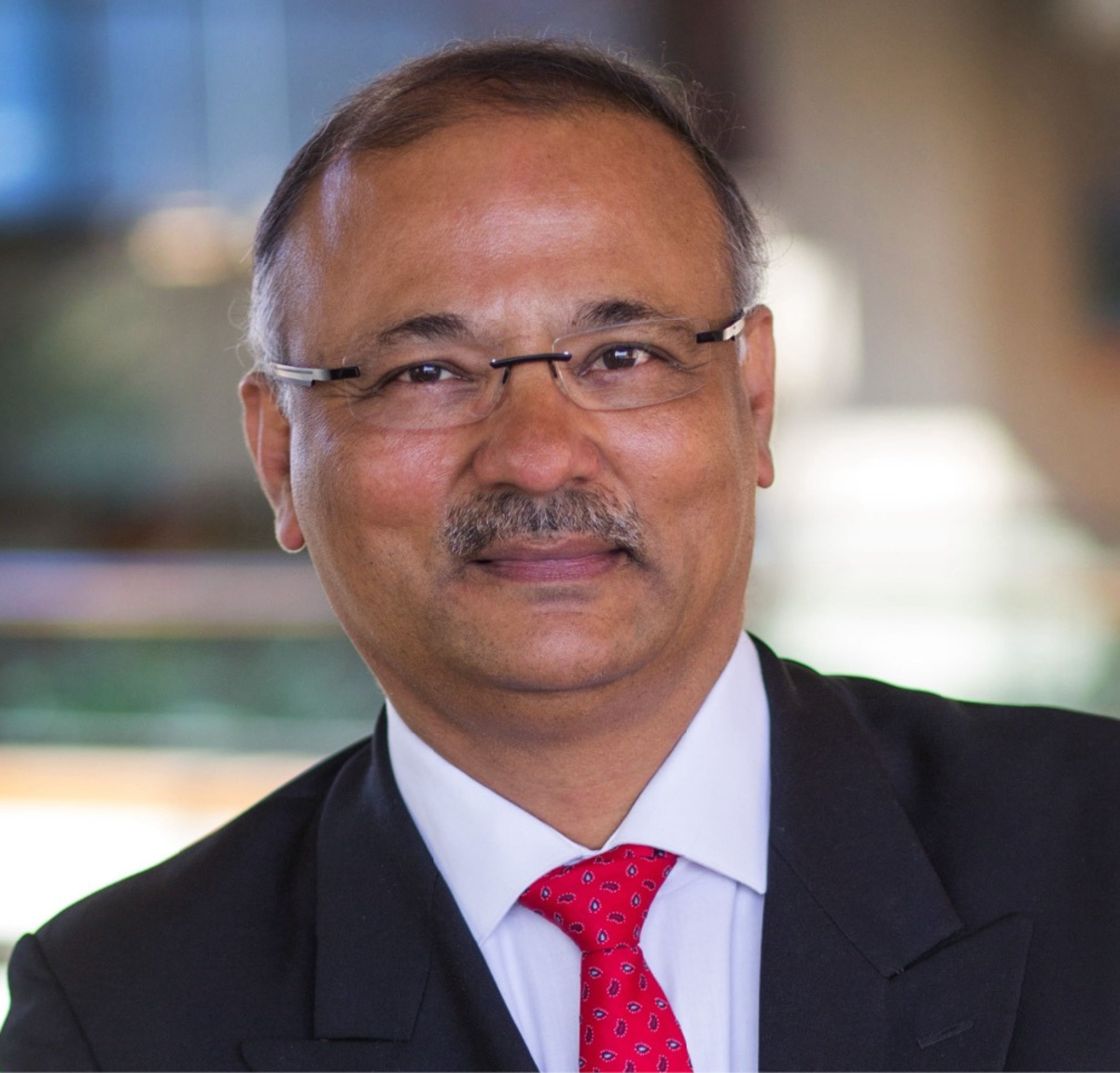
Chandra and Arvind joined Dr. Bose’s group towards the end of my career at Stevens. Also, another undergraduate was George Young who worked with Professor J.M. van Der Veen. They all became highly successful in industrial employment. I am very proud of Arvind, Jeffrey and George for their achievements and generosity to give back to Stevens.
Q: How did your education/research in the department prepare you for a career in the pharmaceutical industry?
Dr. Pramanik: My Stevens education in synthetic organic chemistry along with my training in mass spectrometry, prepared me well to tackle complex analytical challenges when I joined Schering-Plough. I was able to solve major long-standing problems that eluded resolution for years. One such example was the structure characterization of highly complex oligosaccharide antibiotic, Everninomicin, published in Heterocycles, which was dedicated to Sir D.H.R. Barton on his 70th birthday. Over my career, I have developed deep expertise in the interpretation of MS spectra. Sir Derek Barton was highly pleased when he learned from Dr. Ashit Ganguly that I solved the structure of Everninomycin. Ashit, was Sir Derek’s student at Imperial College, London. Sir Derek was impressed and he wrote a letter of recommendation for my promotion to Schering-Plough’s highest scientific position, Distinguished Fellow.
Q: Is there a particular drug/technology or program, you helped develop that you're especially proud of?
Dr. Pramanik: I was involved in the development of many drugs: Allergy drugs, Claritin and Clarinex, anti-fungal drug Noxafil, Cholesterol lowering drugs, Zatia and Vytorin, anti-viral anticancer-interferon alpha-2b, as well as anti-inflammatory steroid products and amino glycosides.
Later in my career (1990), I started working on antibodies and generated monoclonal antibody spectra of anti-il-11, with molecular weight 146 kilo-dalton which was published. Furthermore, I had discussions on a project involving immunoglobulins that we received from Organon, a Dutch company Schering-Plough acquired around 2007. After the merger of Schering-Plough with Merck & Co. in 2009, Merck took over the project and developed the famous immune therapy medication Keytruda.
Q: What message would you like to leave for future generations of CCB department students?
Dr. Pramanik: My advice to the next generation of researchers is simple: be creative, learn your subject thoroughly, to the absolute best of your ability, and focus entirely on making meaningful contributions. Whether you enter industrial research or academia, you must prepare yourself to be a problem solver. In the professional world, what matters most is the tangible financial value and funding you can bring to your organization through your expertise and creativity. A Stevens education will certainly prepare you well to thrive.
Finally, quality is never a coincidence. It is the deliberate outcome of clear intention, disciplined effort, intelligent strategy, and an unyielding commitment to excellence.

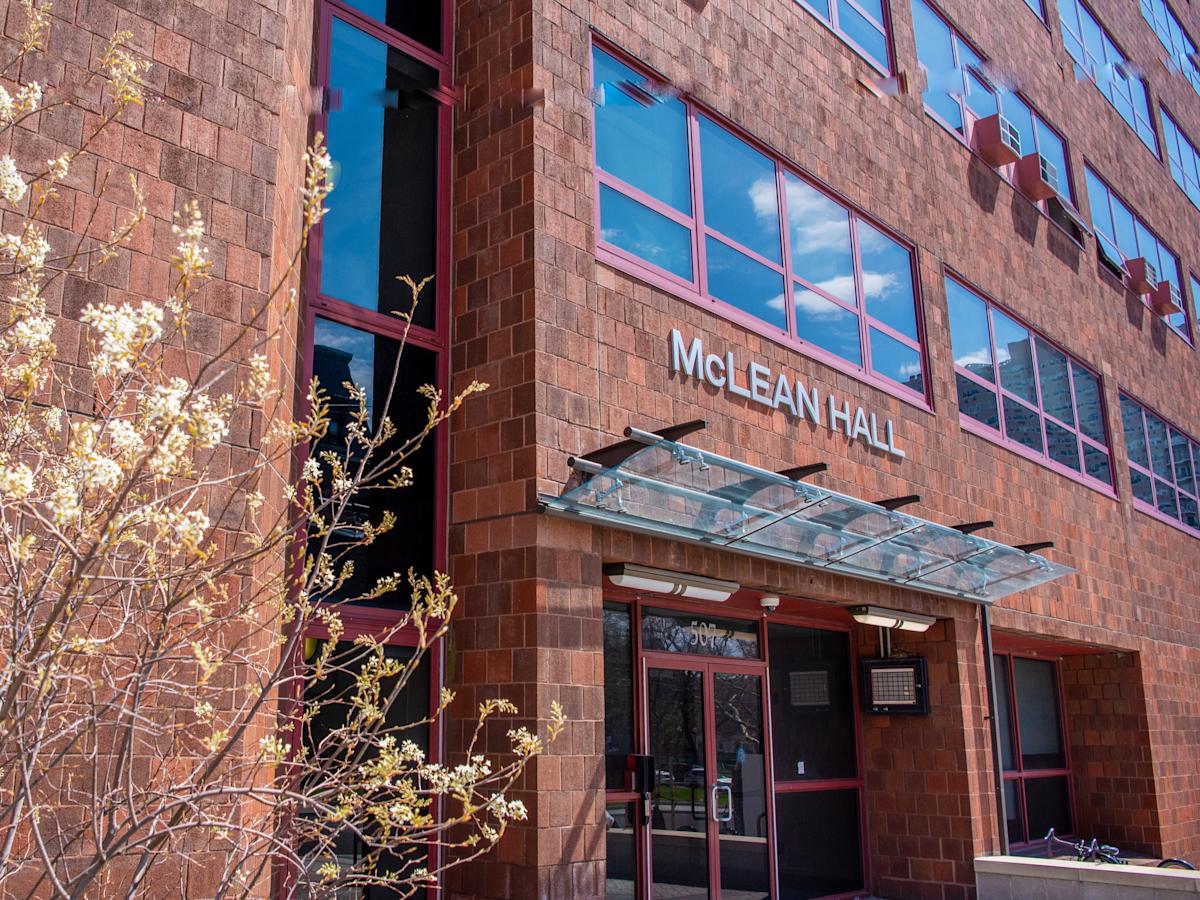 Located in McLean Hall, the Ajay Bose Hall of Distinction honors the scientists, educators and leaders whose work has extended the impact of chemistry and chemical biology far beyond the Stevens campus.