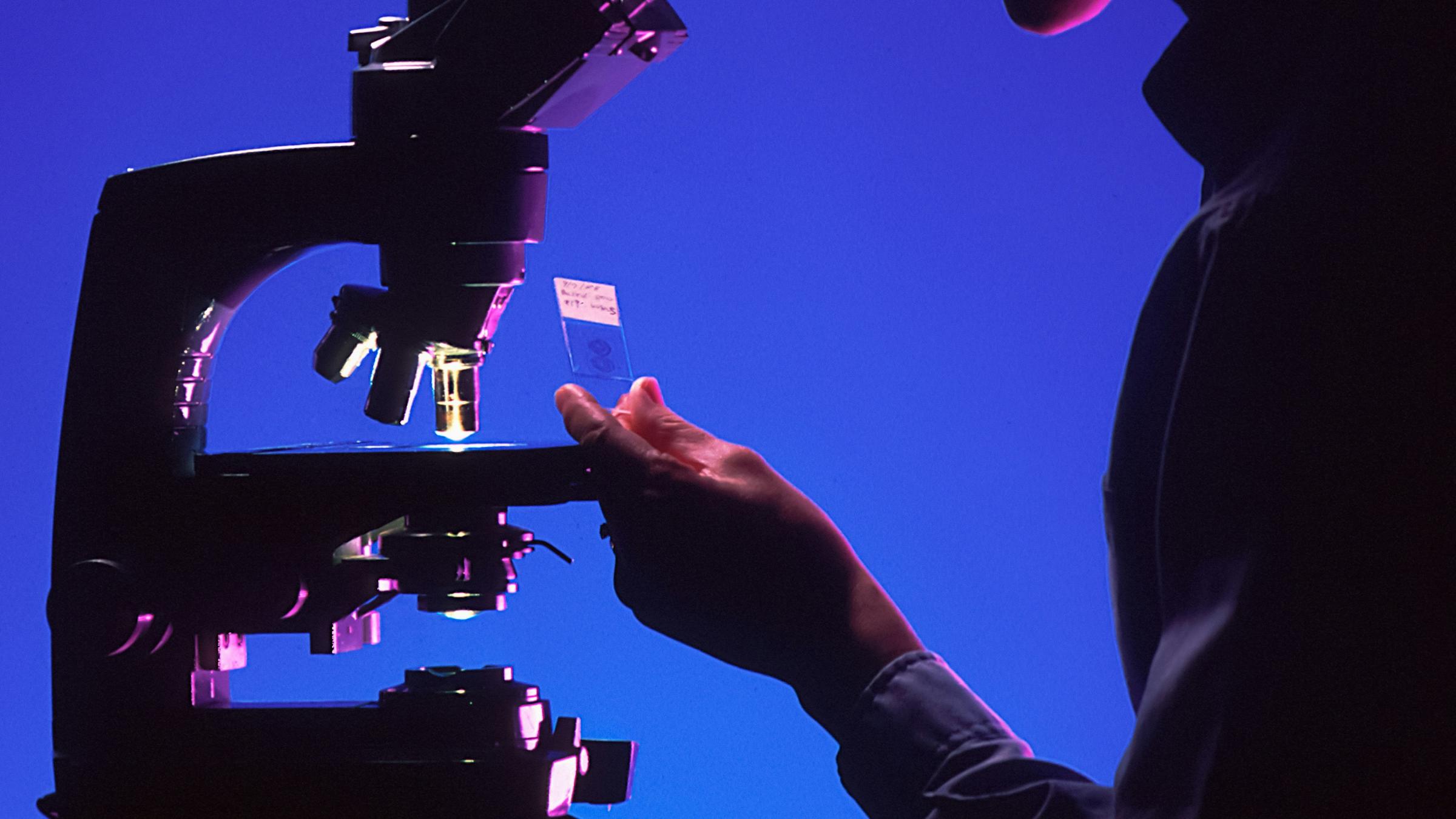
Marcin Iwanicki, an expert in cancer biology, will spend a full academic year embedded in government medical research agencies
Stevens cancer biology researcher Marcin Iwanicki has received a prestigious fellowship to help find common ground between biomedicine and the emerging new tools of artificial intelligence.
Iwanicki, a professor of chemistry and chemical biology (CCB), will spend the 2024-2025 academic year serving as an American Association for the Advancement of Science (AAAS) Science & Technology Policy Fellow at the National Science Foundation (NSF).
Fellows typically spend one to two years at the NSF's Alexandria, Virginia headquarters, learning how the foundation operates while contributing topic expertise that supports ongoing research programming.
Stronger ties to federal funding, objectives, research
Iwanicki will focus his fellowship on exploring expanded funding, research and academics around the intersection of biomedical science and AI.
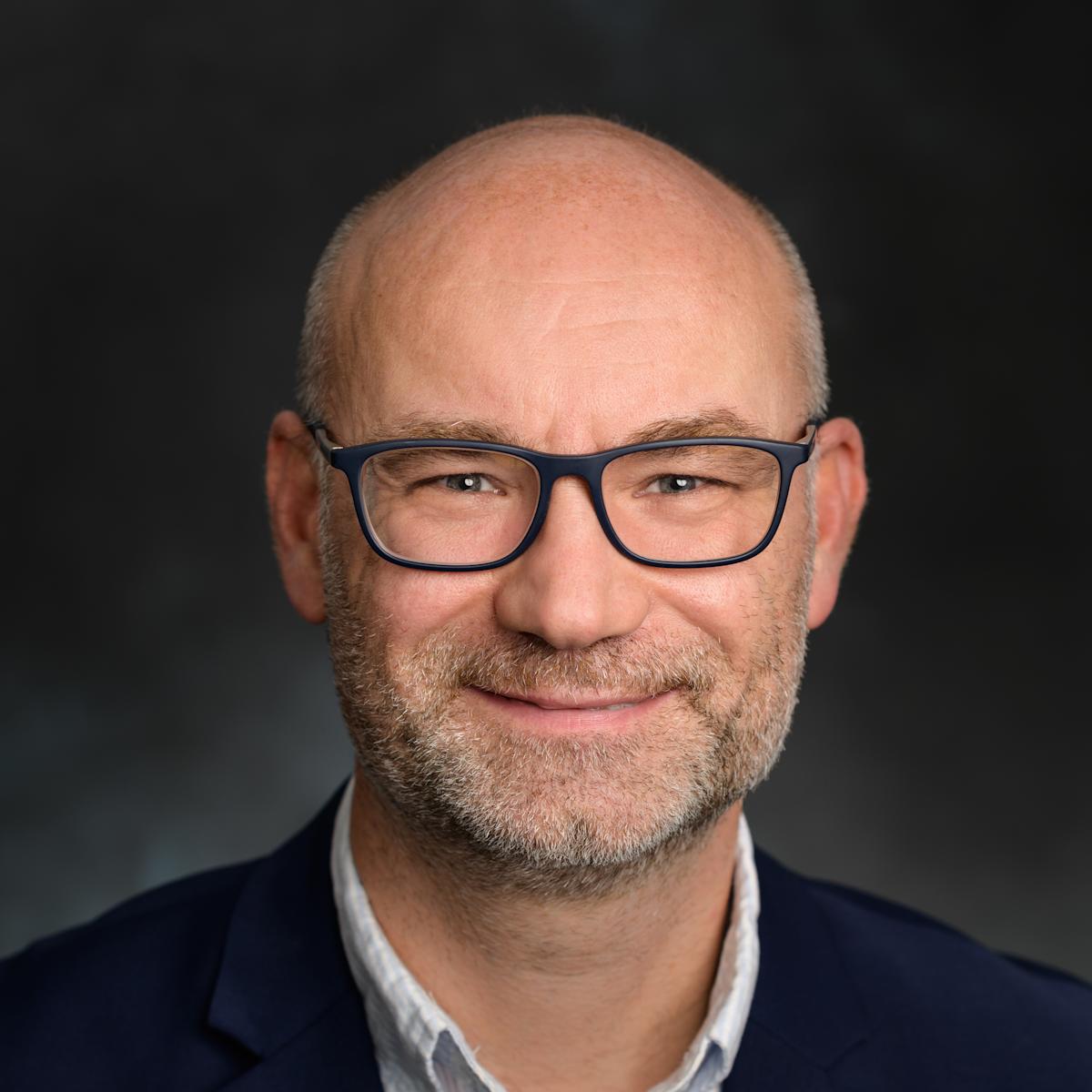 “I was particularly attracted to this program because of the opportunity to collaborate directly with NSF and NIH (National Institutes of Health) leadership in identifying crucial scientific trends impacting society,” says Iwanicki. “This aligns with my primary goal of enhancing my teaching and research.”
“AI and machine learning have become increasingly vital research tools, particularly in human health.”
In addition to revamping his own courses and research, Iwanicki also looks forward to fostering stronger connections between Stevens and the federal government as he engages with NSF’s activities and programs.
“My fellowship is with the SMART HEALTH program, a collaborative effort between the NSF and the National Cancer Institute,” he points out. “This specific program emphasizes research education that integrates machine learning with women's cancer research findings and data.”
“Understanding the project selection, review and award processes is a critical goal for me, as this knowledge will directly inform my future teaching and research.”
"This fellowship will help transform Marcin’s career and also help pursue the CCB department's ‘next-generation’ vision to empower humanity with molecular, cellular and AI technologies,” adds department chair Woo Lee.
Stevens frequently produces leading-edge health and biomedical research with an AI component, including efforts to predict heart disease, respiratory illness and epilepsy earlier, search for new therapeutic candidates, inform stroke and diabetes treatment and improve imaging technologies.